Tel:
+86 13143444311
Email:sst@szsst88.com
Fax:+0086-755-27322278
Address:Building 9, First Industrial Zone, Tantou Industrial City, Songgang Street, Baoan District, Shenzhen 518105, Guangdong, China
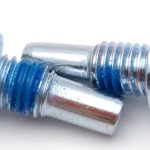
Type:Black Stainless Steel Machine Screws
Materials:SS
Surface treatment:Electrophoresis black
Head Type:PF. Head
Size:M1 M2 M3 M4 M5 M6 M7 M8 M9 M10
Number:1074
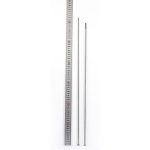
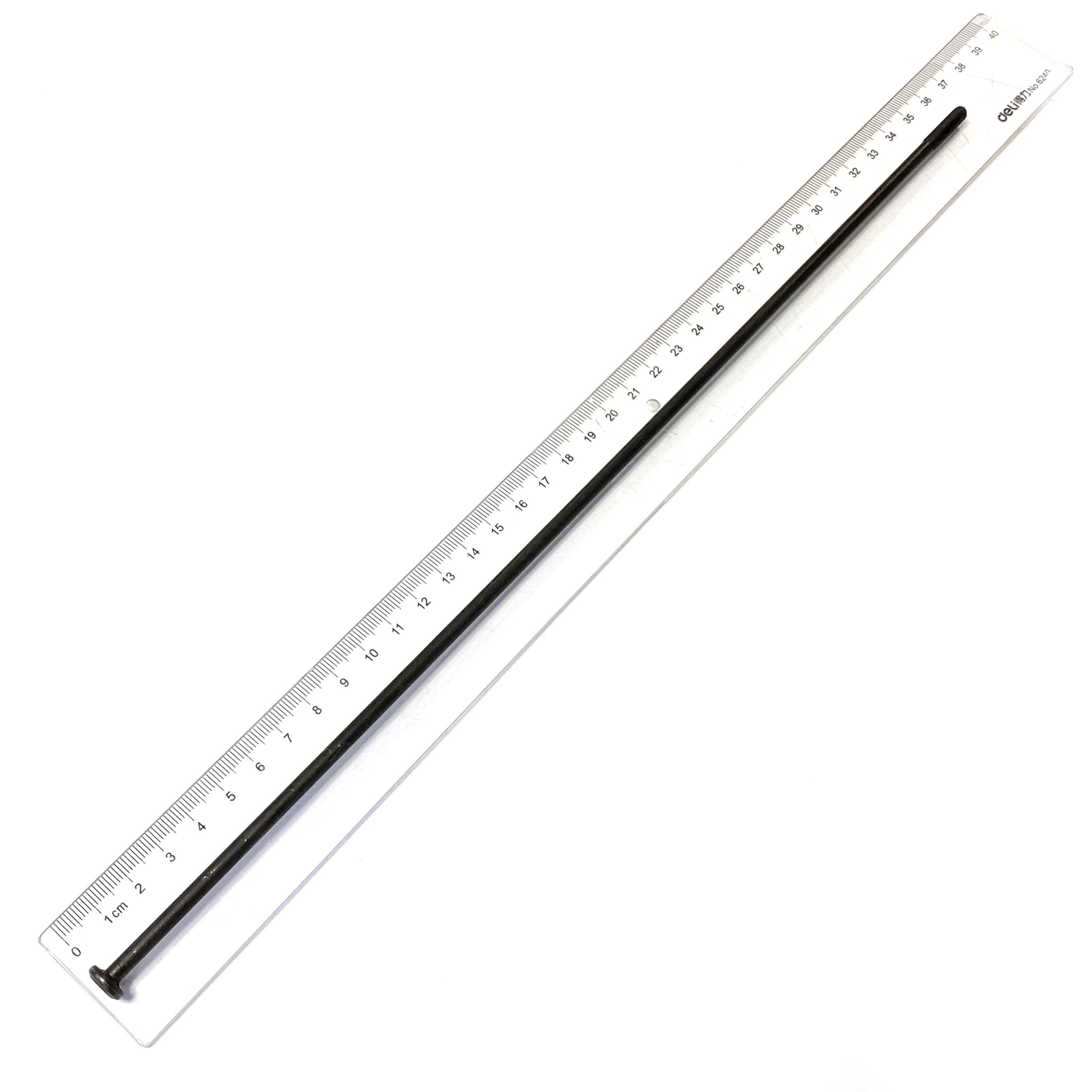
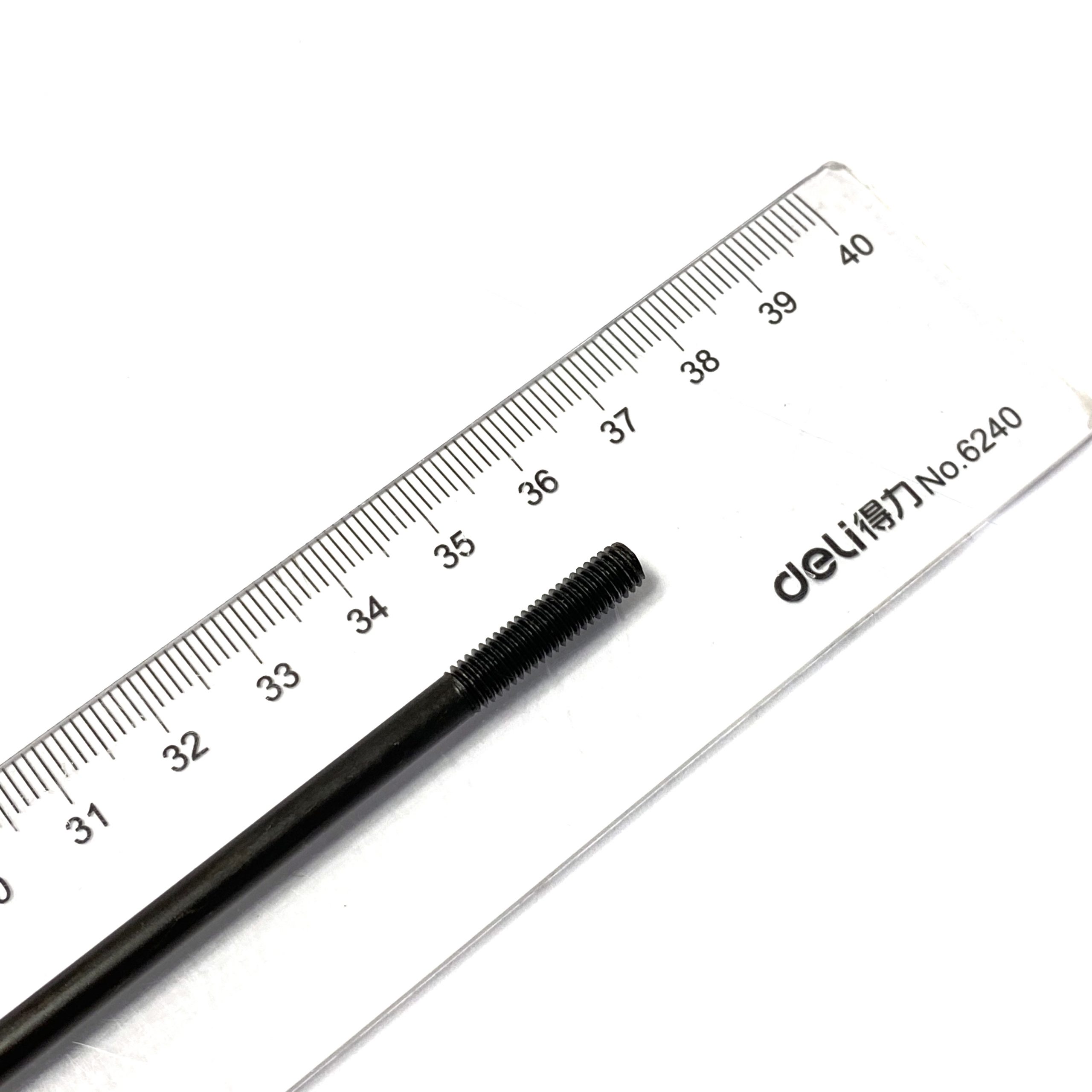
One screw, one length, one coating: an M3 machine screw long enough to pass through a whole stack of components and still leave usable thread. The length is the easy part to state and the hardest part to hold — a 360 mm M3 shank bends under its own weight, so straightness, thread run-out and the coating on the thread decide whether it assembles.
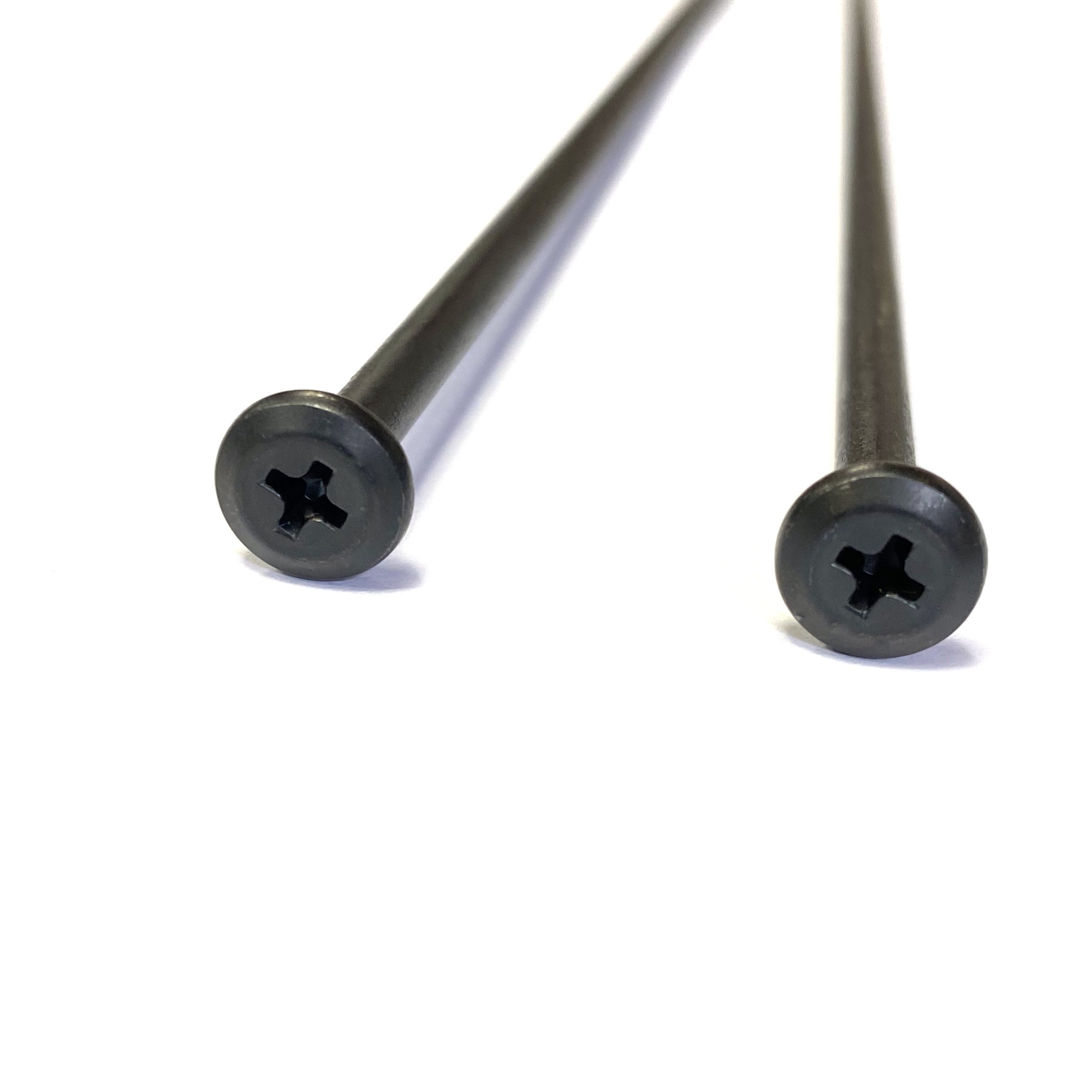
Black electrophoresis over stainless steel: the coating is applied after the thread is rolled, so the thread fit is set by how much film the coating adds. The PF head carries a Phillips recess and an under-head fillet, which spreads the bearing load on a thin panel instead of denting it.
A short screw is a fastener; a 360 mm M3 screw is a rod that happens to have a head and a thread. Three things go wrong that never show up on short parts:
The drawing reference sets everything downstream: under-head length is what the assembly stack needs, overall length is what a caliper reads on the bench. We confirm the reference on the drawing before the first piece, and both numbers go on the inspection record so the receiving inspection measures the same thing we did.
Stainless gives the corrosion margin; the black electrophoresis gives the appearance and a second barrier in wet or cleaning-agent environments. The combination has two practical limits:
Long screws are usually the last part of an assembly and the first place a misalignment shows. Two drawing details remove most of the risk: a chamfer or lead-in on the entering end, and a clearance-hole tolerance that is called out per plate rather than as one stack value. If the stack is more than three plates, we ask for the hole positions rather than a single clearance figure.
The checks that matter are the ones a short-part gauge cannot see: straightness over the full length, thread run-out at the tail, coating thickness on the flanks, and the under-head length. Each batch carries those four numbers plus the visual acceptance on the coating.
Three assembly positions where a 360 mm M3 screw solves a real problem, and what we hold on each one.
The screw runs the full height of a cabinet, through standoffs and sheet-metal plates, to a single nut at the back. Misalignment between plate holes is normal; the screw has to find its way without cross-threading. What we control: straightness over the first 100 mm, an entry chamfer, and coating thickness on the thread so the nut runs by hand.
Fittings that live outside see rain, cleaning agents and temperature swing. Stainless carries the corrosion duty; the black film keeps the appearance and stops galvanic marks where the screw meets painted aluminium. What we control: film build on the flanks, adhesion after forming, and a coating tone agreed against a physical sample.
Long thin screws in display frames are visible, so the head and the coating are part of the design. They also have to stay straight through transit. What we control: head profile and recess depth, straightness before packing, and tube packing that supports the shank instead of loading the head.
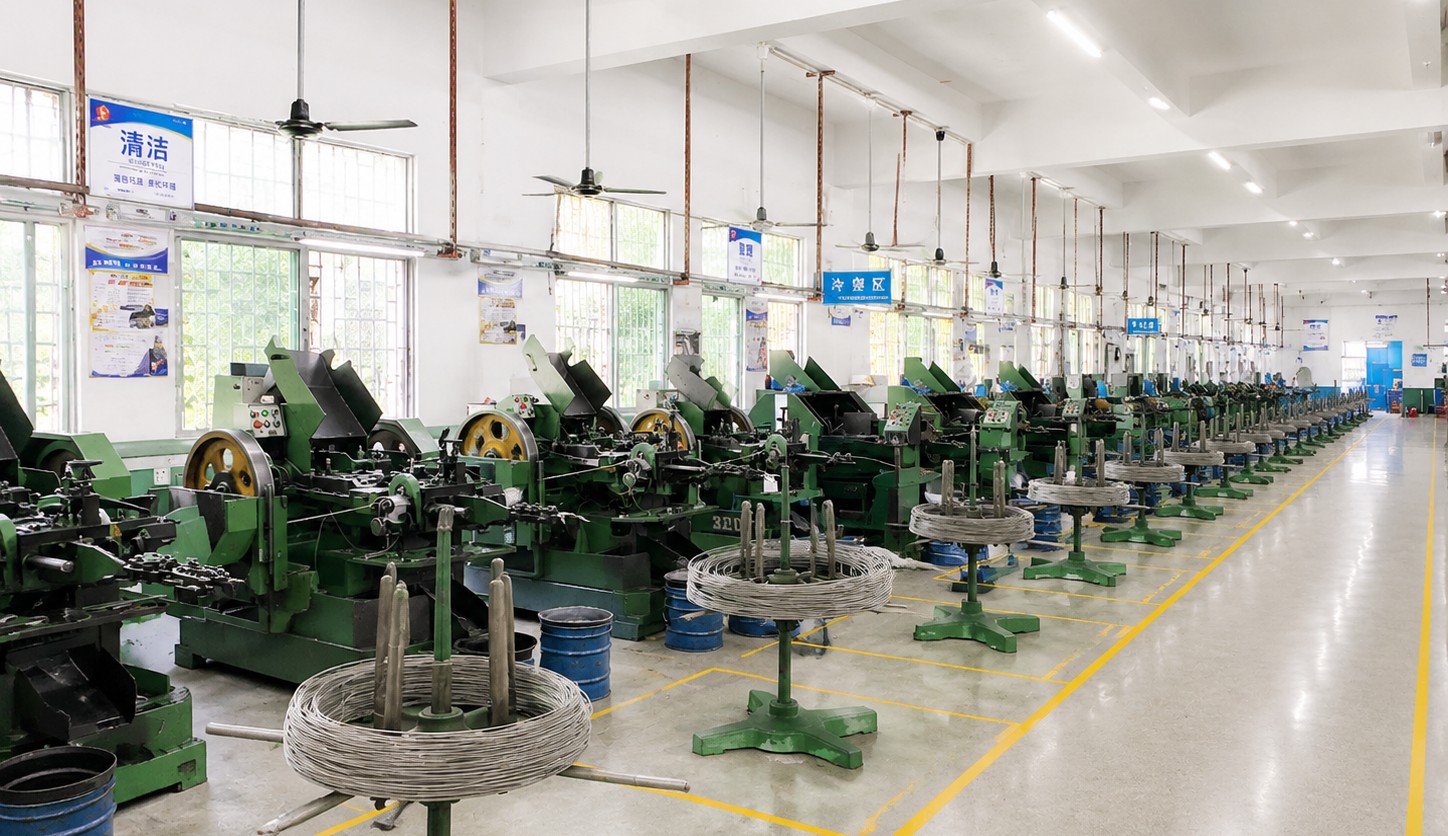
MANUFACTURING
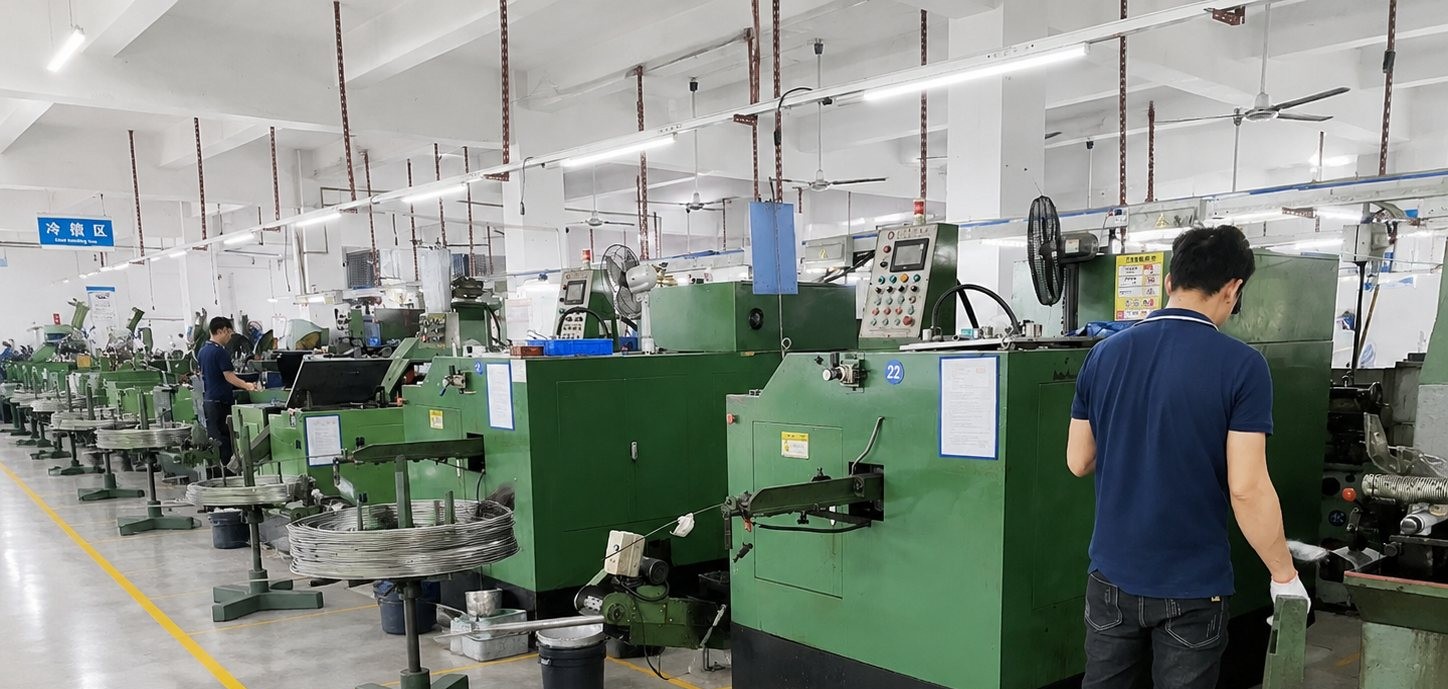
Single-die and multi-station capacity in one floor
From M0.8 to M16, from 0.4 mm to 2,000 mm, cold heading and CNC turning under one roof.
INSPECTION
Dimensions, recess fit, plating thickness, and torque-to-failure checks are recorded per batch.
|
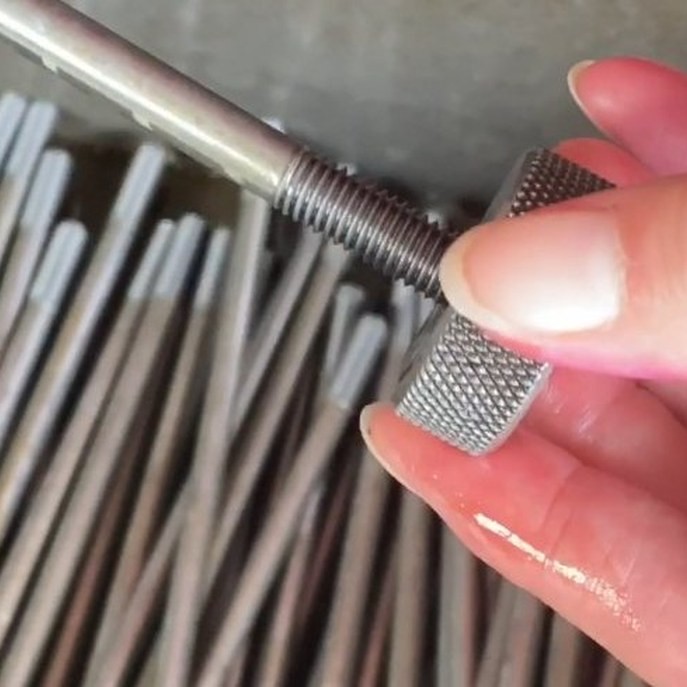
GO/NO-GO thread gauging |
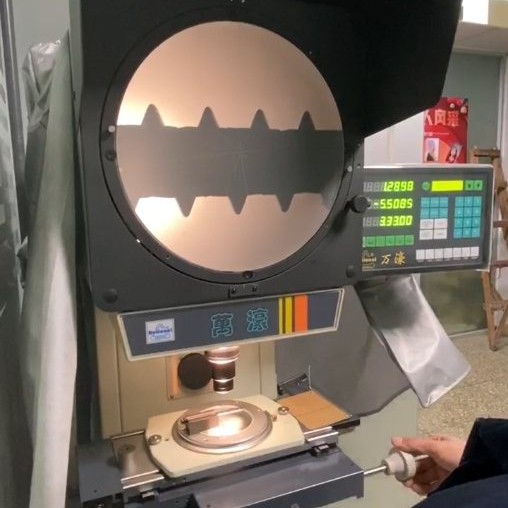
Optical profile check |
|
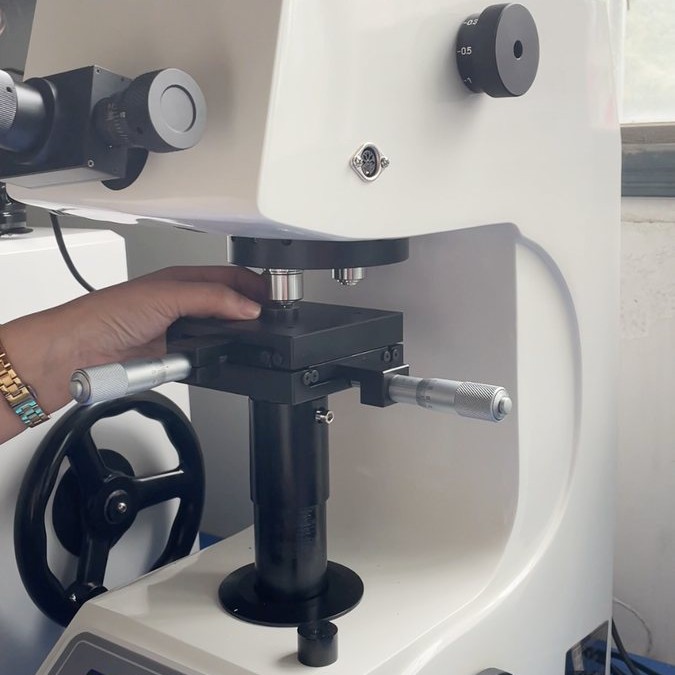
Hardness testing |
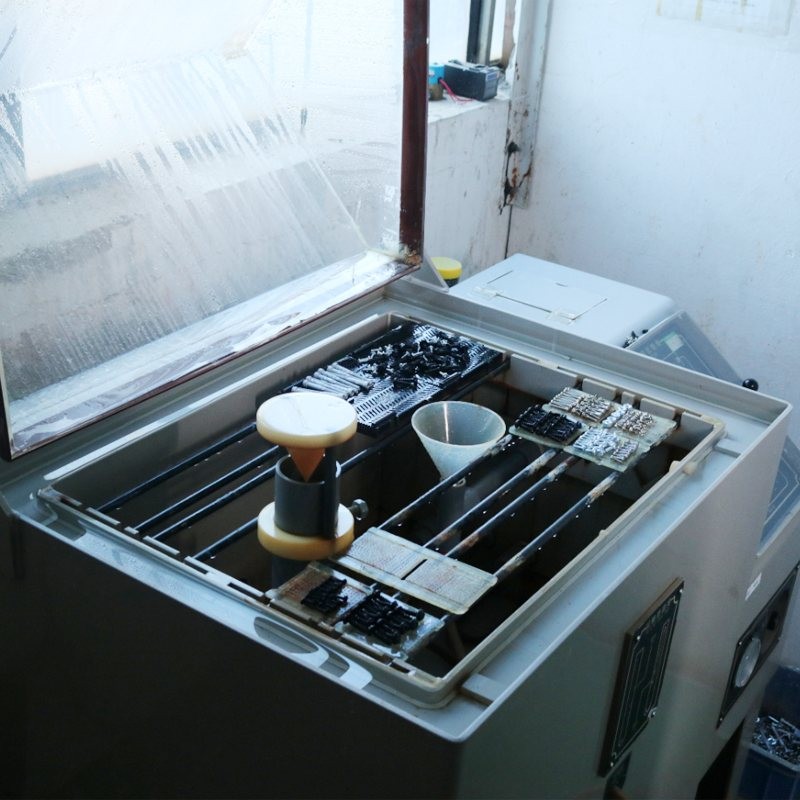
Salt-spray testing |
Inspection follows the drawing and the agreed inspection plan; records are kept per batch.
CERTIFICATES
ISO 9001:2015 certified, full documentation per shipment
Material certificates, dimensional reports, and surface treatment records are issued for the tested items.
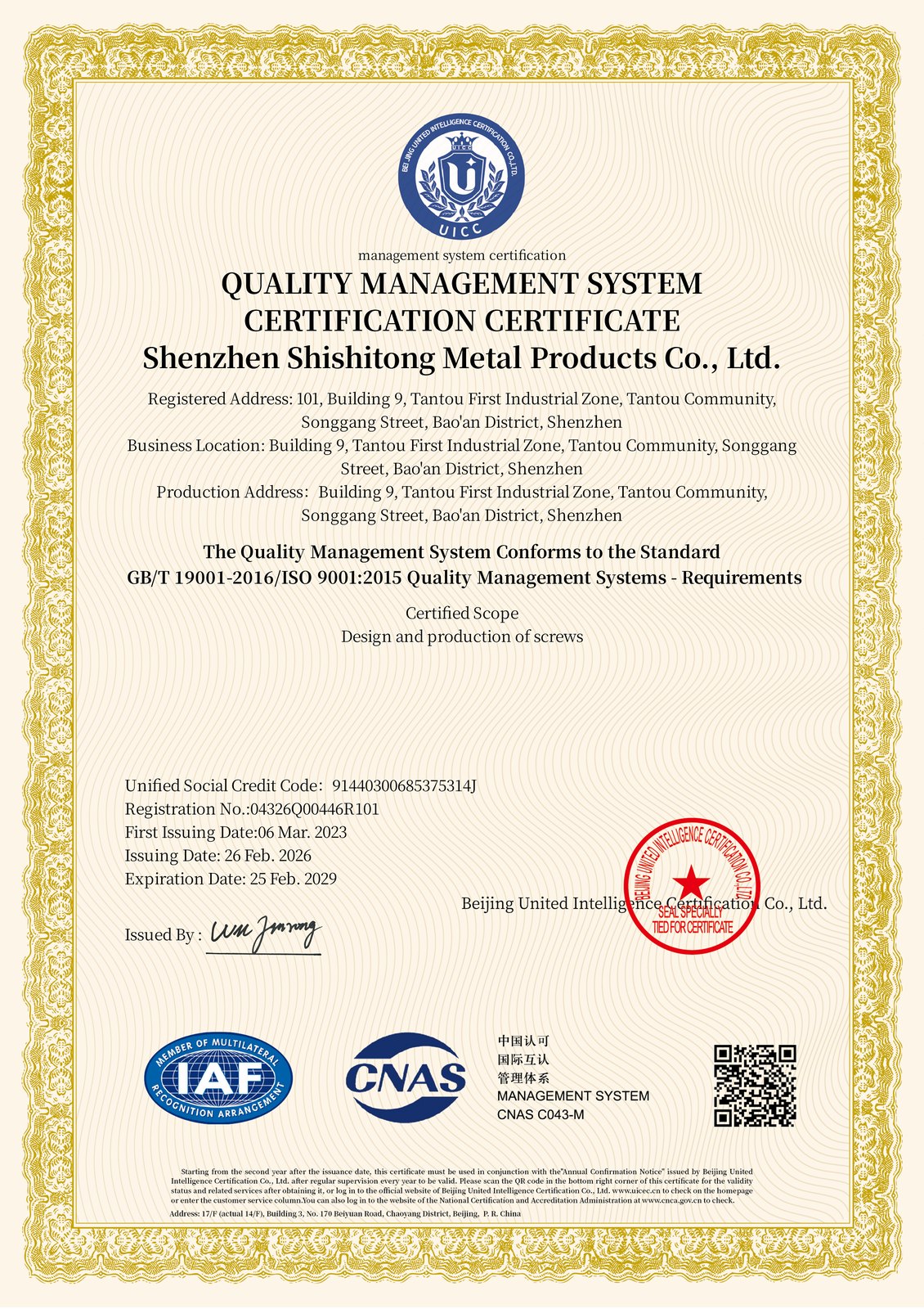
ISO 9001:2015 |
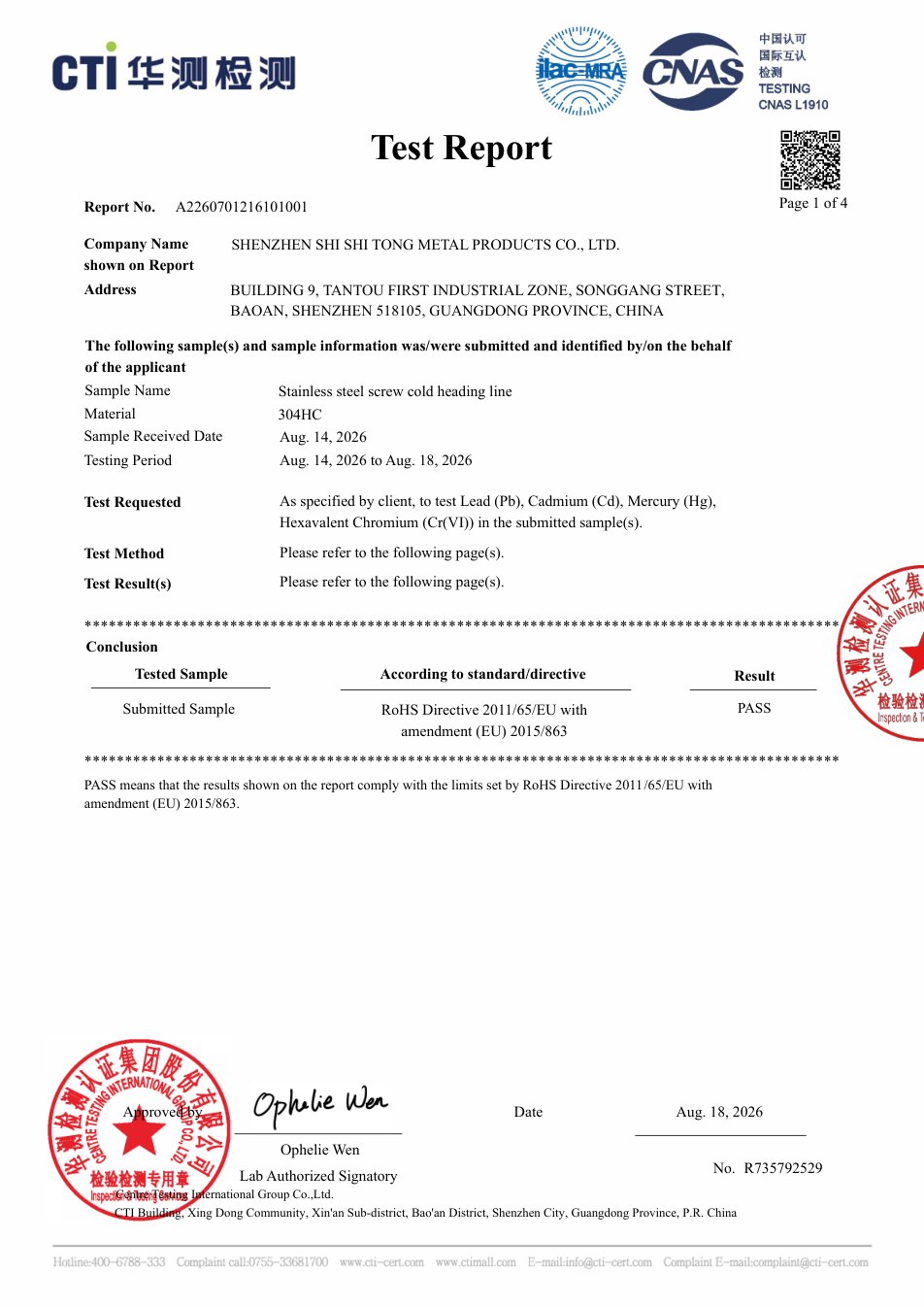
RoHS |
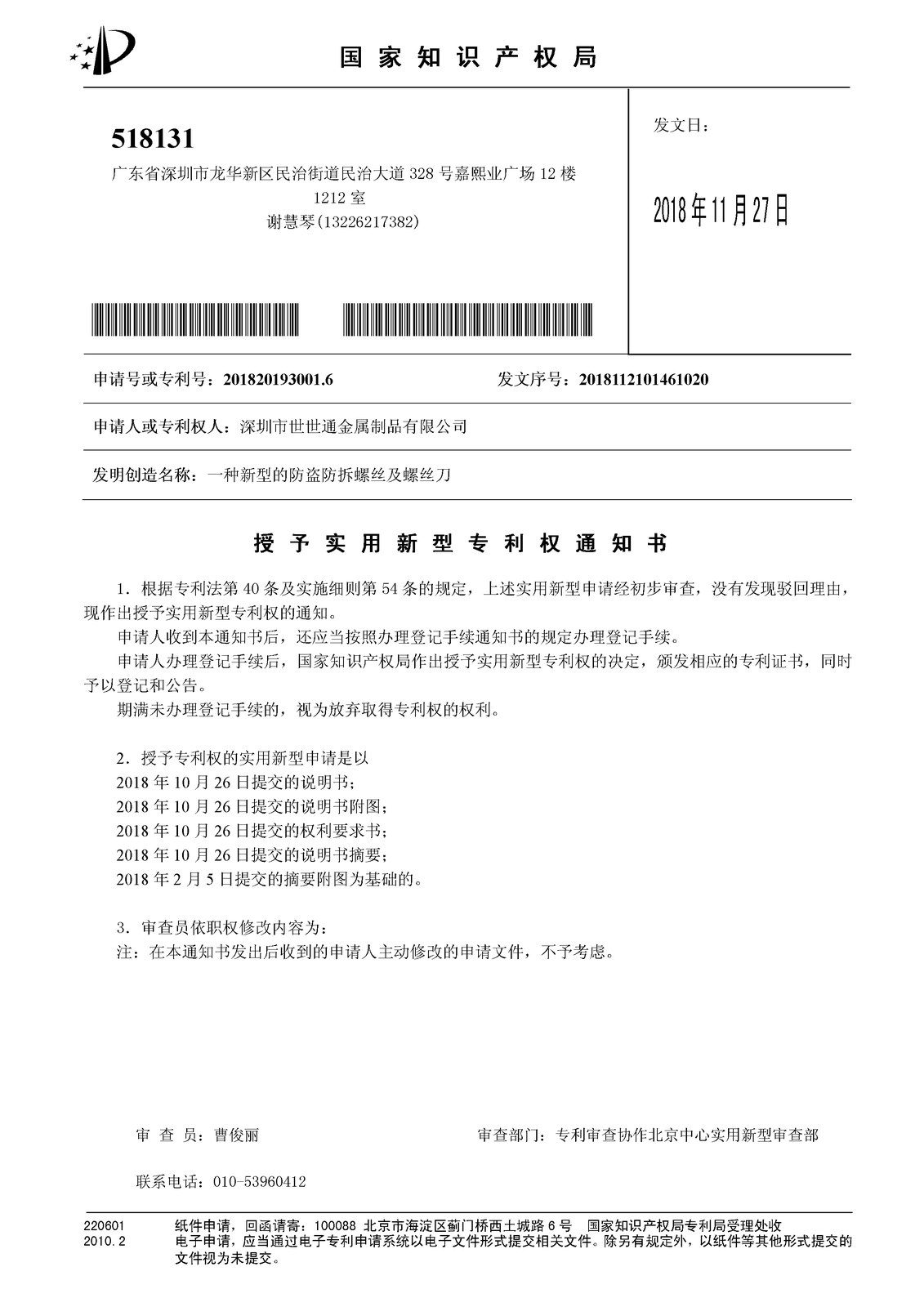
Patent |
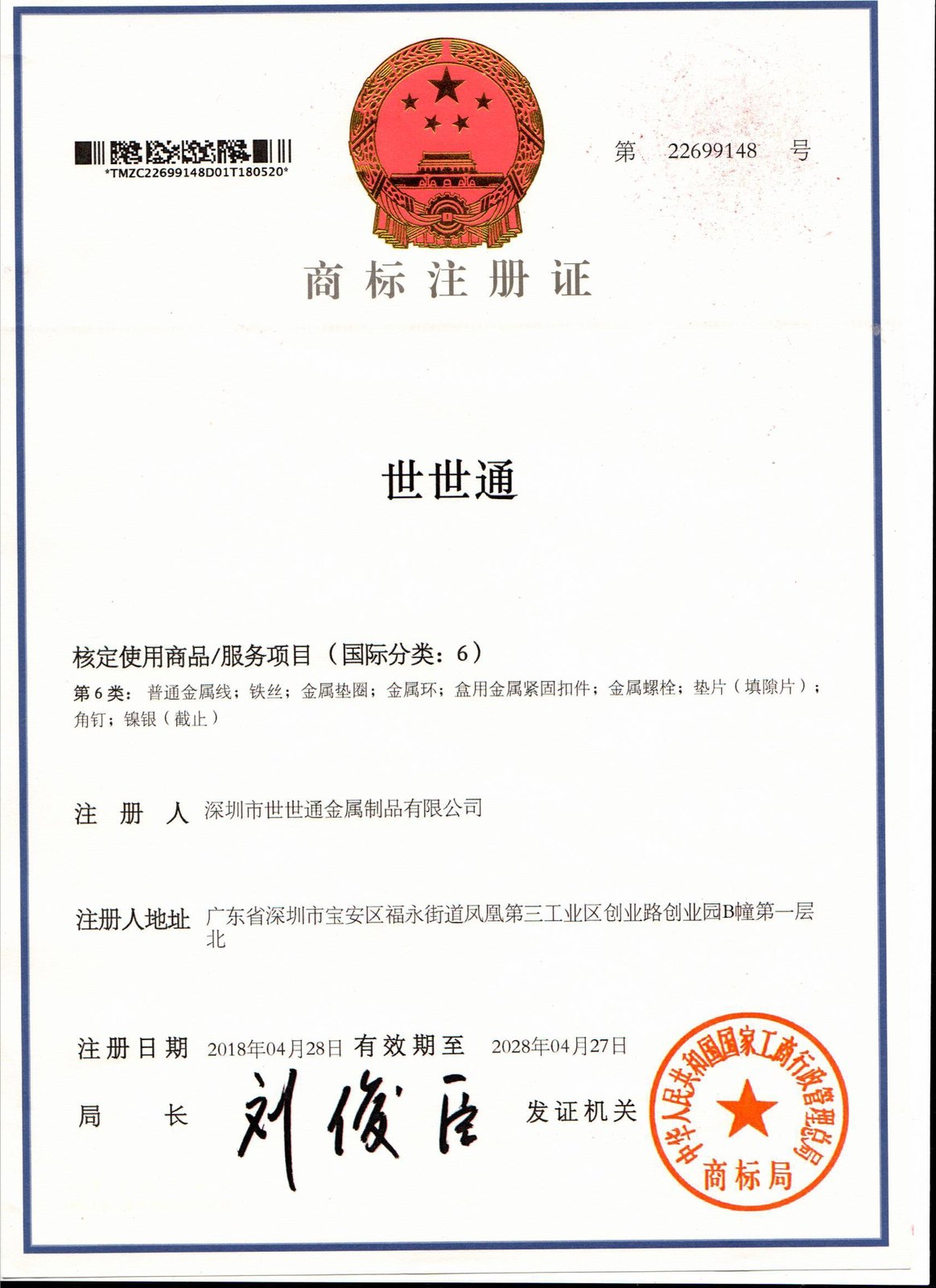
Trademark |
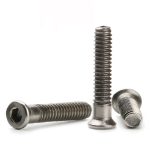
Carbon steel yellow-zinc torx cap screws are a general-purpose industrial fastener, but they are not fitted everywhere. These are three assembly positions where the drive and the shoulder step actually earn their place, and what we hold on each one:
The screw seats on the machined aluminium cover of a motor terminal box. The shoulder step enters the cover hole first, so the lid locates before the thread bites and the cover cannot shift while it is being tightened. What we control: head height against recess depth, step diameter against the cover hole, and plating thickness on the thread so the screw still runs in a coated cover without galling.
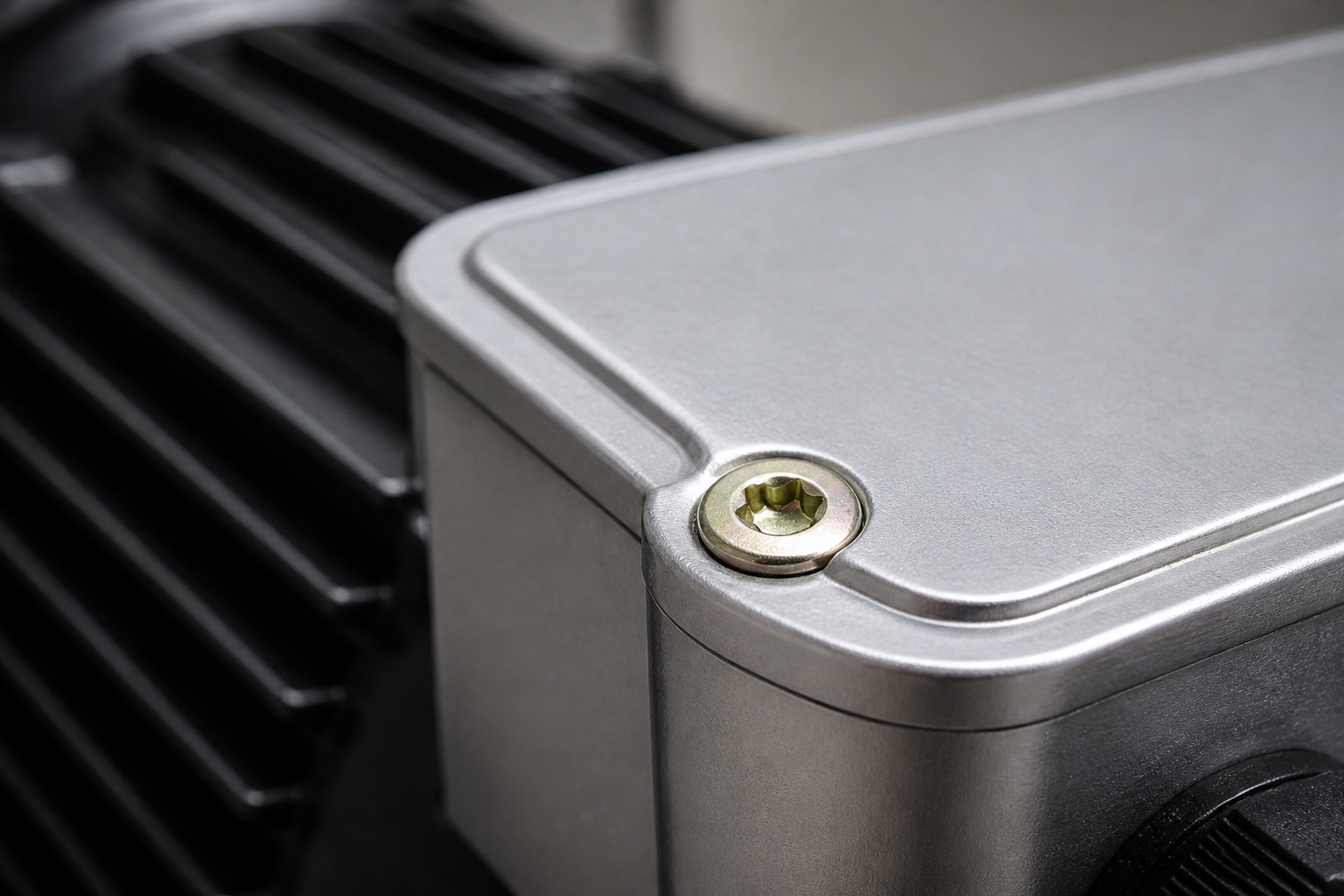
Motor terminal box — the Torx head seats on the machined cover and the shoulder step locates the lid before the thread engages.
Three screws hold a powder-coated side panel onto an inverter frame; the copper busbars and the terminal block sit behind that panel, so the panel comes off for service more than once a year. A Torx recess survives that repeated removal without wallowing out. What we control: drive size against the recess, thread length against the panel-plus-frame stack, and yellow zinc thickness against the corrosion class agreed for the cabinet.
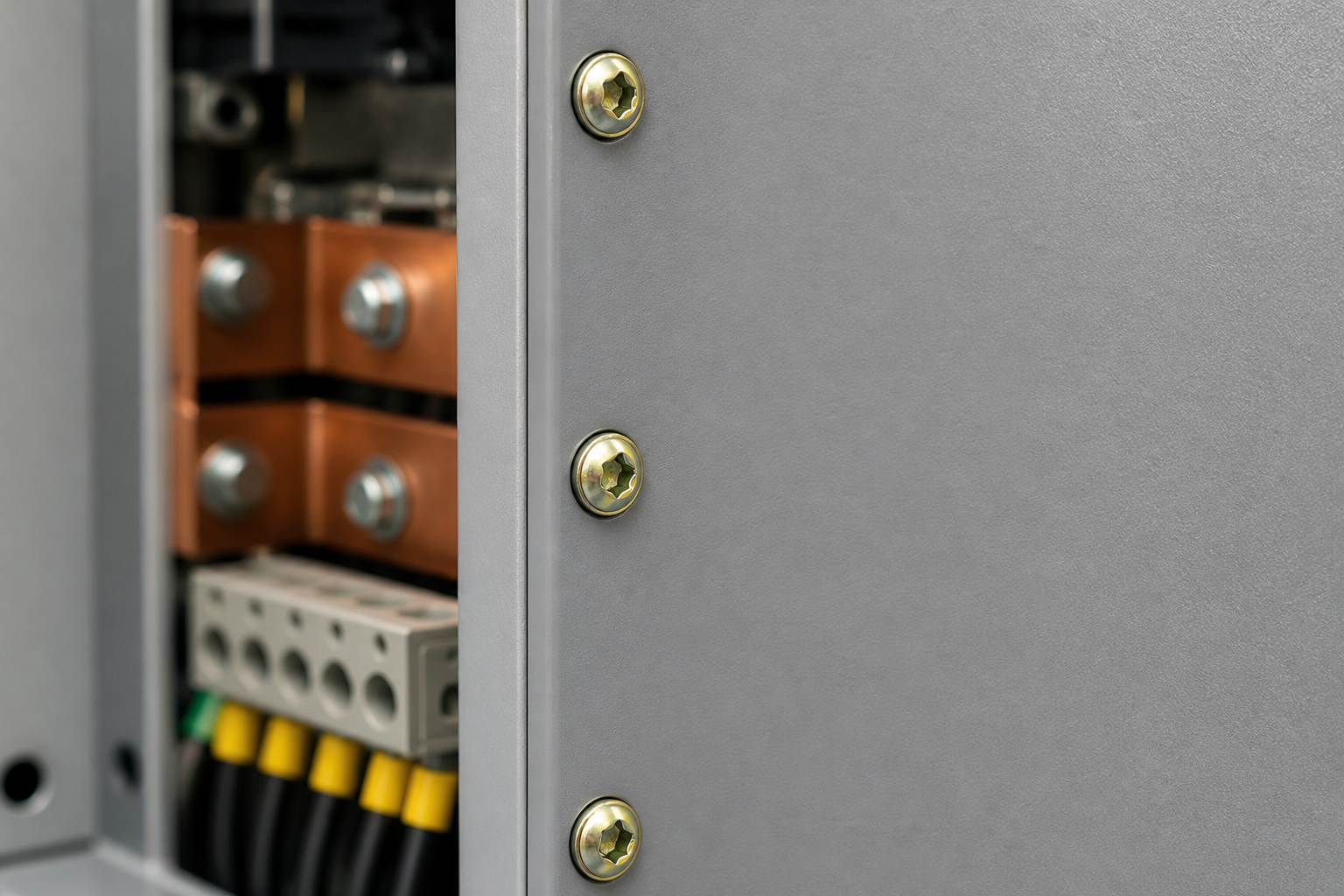
Inverter cabinet — panel screws sit above the busbar compartment; the recess stays serviceable after repeated removal.
On a benchtop analyser the same screw fixes the brushed stainless side panel. Here the head has to sit low enough not to catch a wipe-down cloth, and the yellow-zinc tone has to stay consistent across the batch because the heads are visible on the finished instrument. What we control: head profile against the panel face, step length against sheet thickness, and colour consistency of the plating from batch to batch.
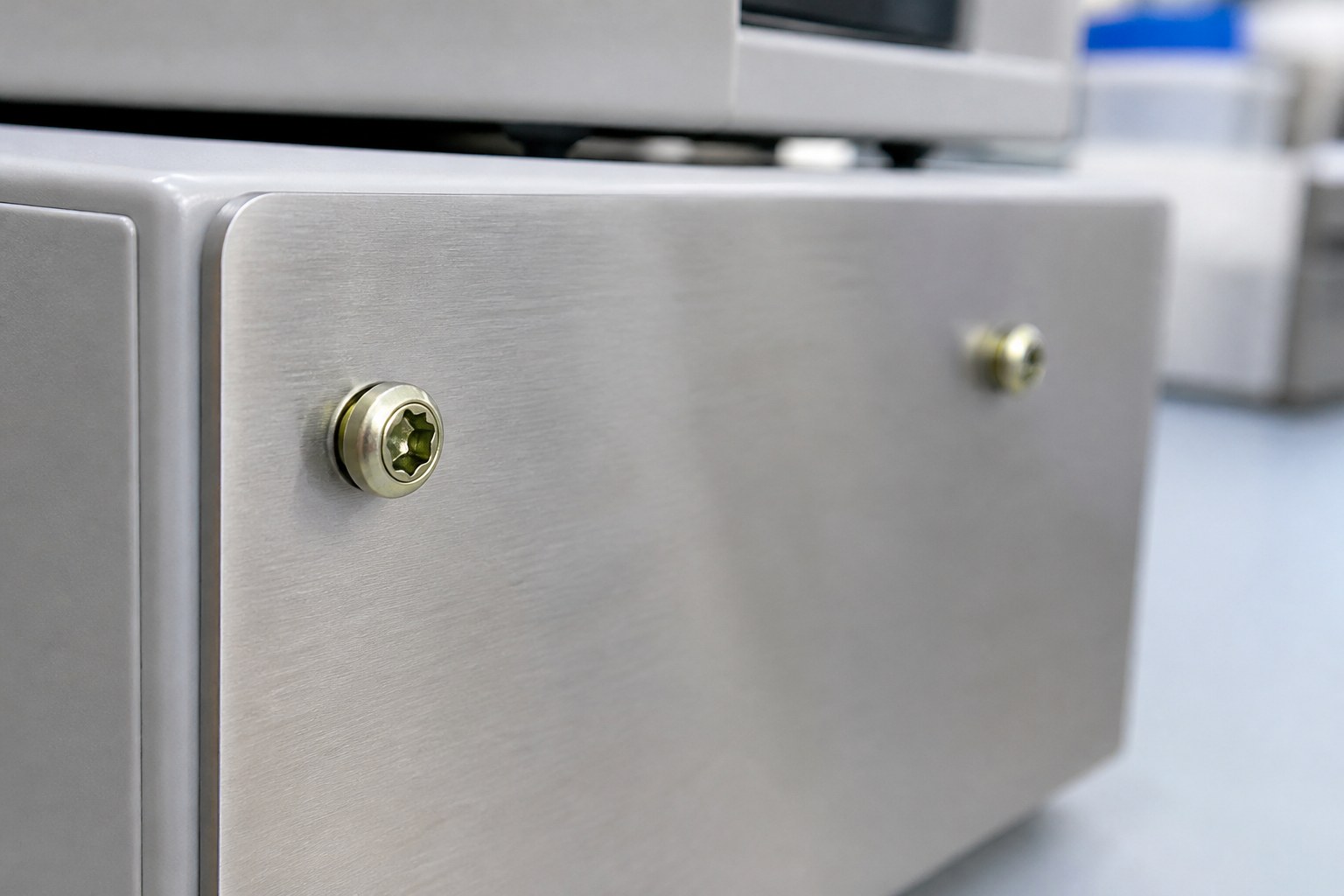
Analytical instrument — stainless side panel fixed with the same screw, head kept low and flush to the panel face.
Driver size is matched to the screw size and to the recess on the drawing. Common pairings: T6 for M2, T8 for M2.5, T10 for M3, T15 for M3.5, T20 for M4, T25 for M5, T30 for M6, T40 for M8. We confirm the driver size with the recess drawing before production.
Yes. Yellow zinc is the most common finish for carbon steel torx cap screws, but we also produce black oxide, zinc-nickel, and other finishes on request. The surface treatment on the drawing drives the plating route, and the chromate class is confirmed per project.
A full machine thread runs from the head to the end of the screw and is the standard for small torx cap screws. A partial thread has an unthreaded shank section near the head for alignment; we make both. The thread feature on the drawing drives the choice, and we hold to the printed length.
Use a Torx driver bit that matches the recess size, drive the screw on-axis to the design torque, and replace worn bits. A worn bit rounds the lobes and produces a recess that no driver will engage; this is the single most common cause of field rejects.
CUSTOMERS
Repeat business is the largest part of our order book
Customers visit the factory for sample approval, production review and shipment inspection — and most of the next order comes from the same accounts.
|
8,678+
Customers served
|
87%
Repeat orders
|
56%
Referral orders
|
89
Countries and regions
|
|
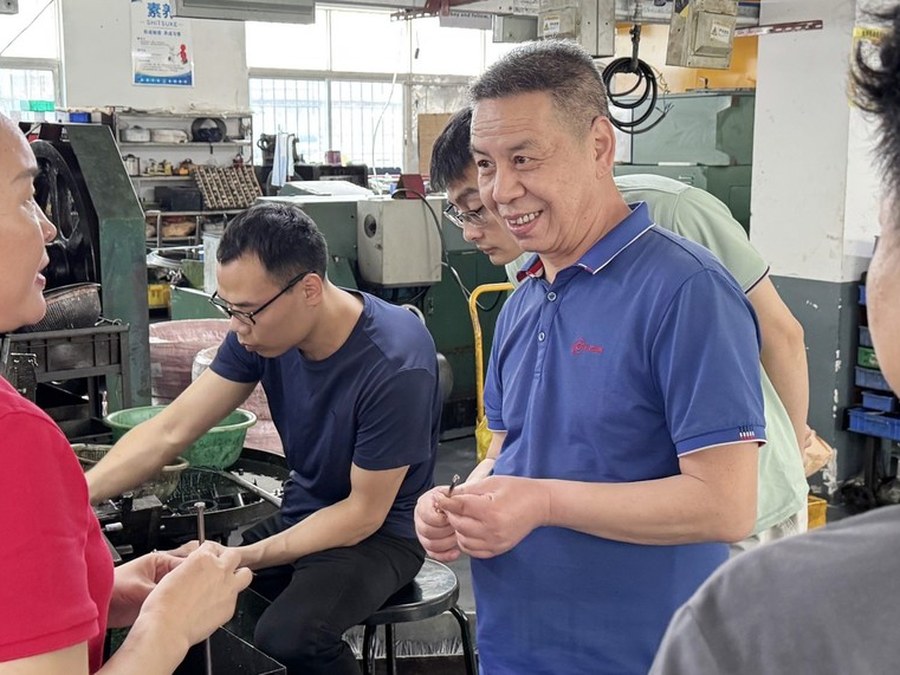
Customer visit — production review |
Customer audit on the shop floor |
Customer touring the Shi Shi Tong shop floor |
Denmark customer visiting Shi Shi Tong |
|
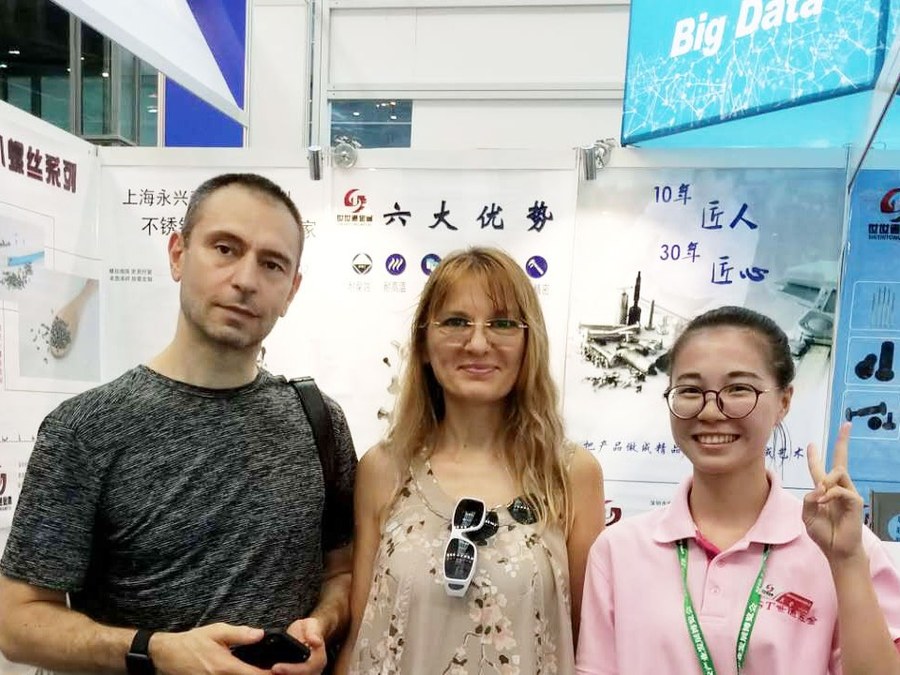
Shi Shi Tong at international exhibition |
Customer delegation at Shi Shi Tong |
Customer team visiting Shi Shi Tong |
Customer reviewing first-article parts with our QC team |
Under the head is the standard reference for this part because that is what the assembly stack needs. Both numbers are printed on the inspection record so receiving inspection measures the same one.
Yes, provided the film thickness stays inside the class on the drawing. The coating is capped so the nut runs down the full thread by hand; we confirm on the first article.
Straightness is gauged over the full length on a surface plate, not by eye. The value is recorded per batch, and packing is designed so transit does not add bow.
Yes. A lead-in chamfer or a dog point is a drawing option and is the usual fix when a screw crosses several plates.
It depends on the coating batch and the packing method; send the length, the stack and the annual quantity and we quote against the drawing.
Tell us the plates the screw passes through, the thread engagement you need and the coating reference. We will confirm the under-head length, the straightness call-out and the thread class before quoting.

 +86 13143444311
 sst@szsst88.com